Your local, professional, and reliable partner for all your tree service needs.
Contact Info
Your local, professional, and reliable partner for all your tree service needs.
Contact Info
That leaning tree in your yard isn't going to fix itself. Learn when removal is your only safe option and when you might be able to save it instead. Because trees don't send a "heads up" text.
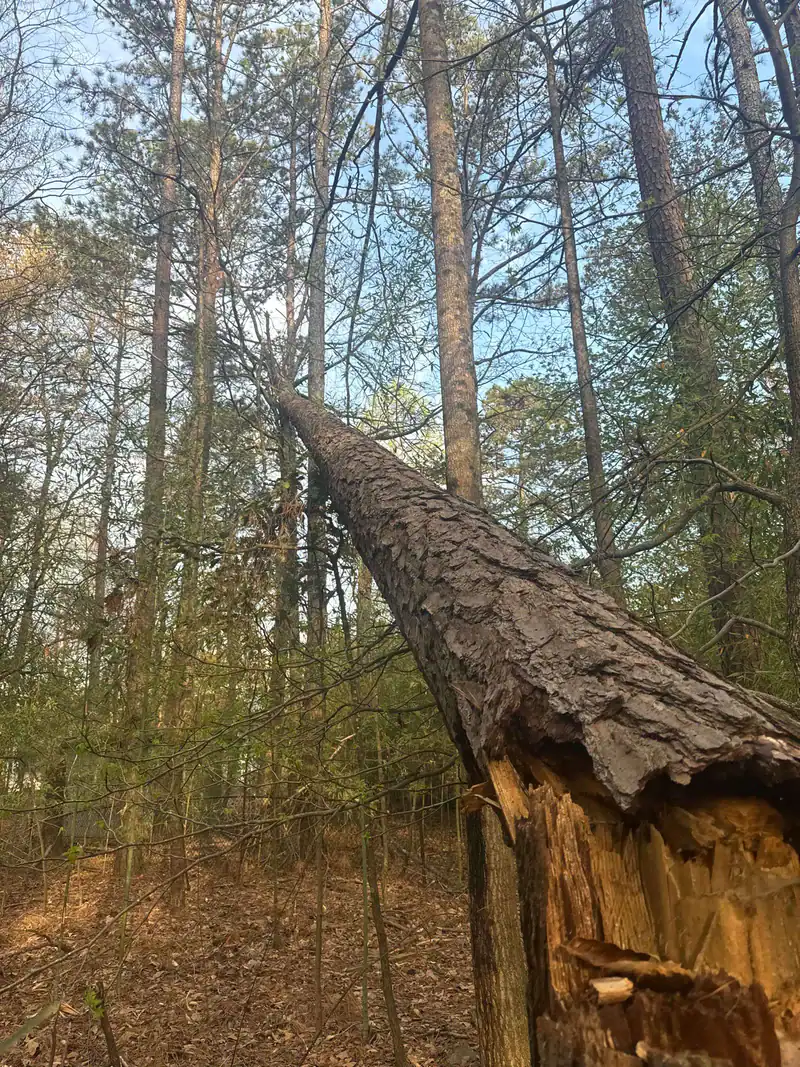
Not every struggling tree needs to come down. Some are just having a mid-life crisis and need a little TLC. But some? Well, they’re ready for the big woodchipper in the sky. And the difference matters to your wallet.
Trees are tougher than most people think—they’ve survived dinosaurs and disco, after all. They can recover from disease, drought, and damage. But once a tree crosses certain thresholds, removal becomes the safest and smartest option. The key is knowing where that line is before the tree decides to cross it… and your fence line simultaneously.
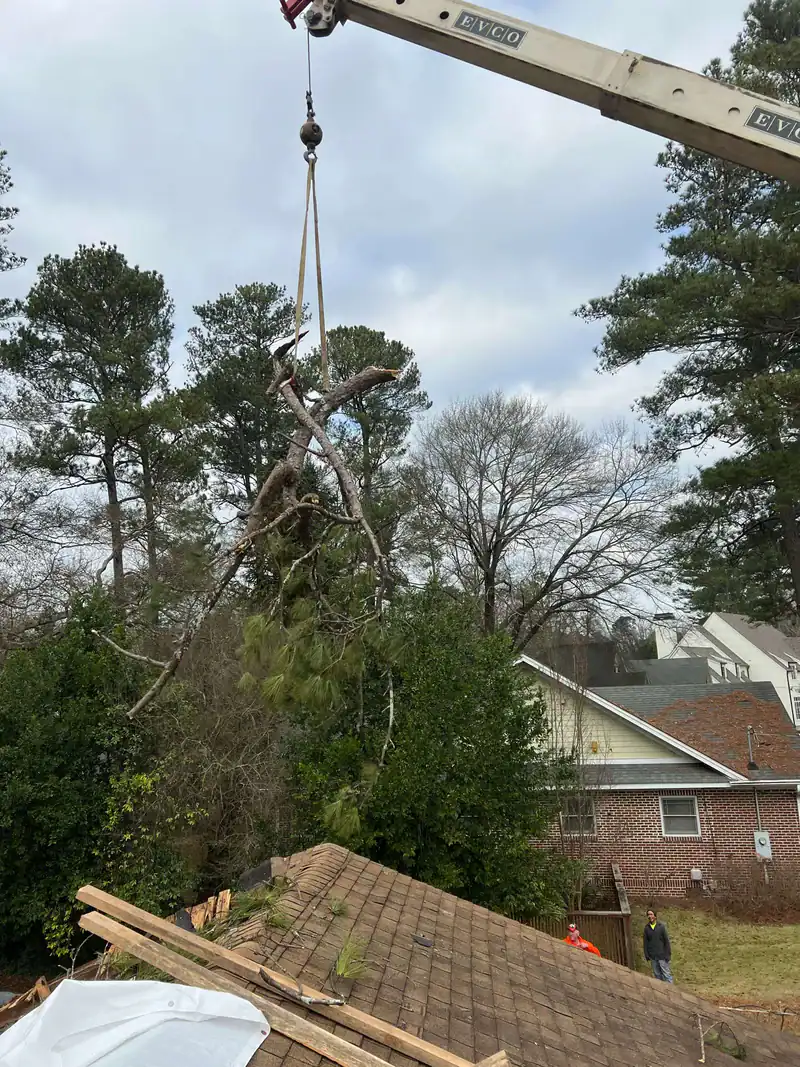
If 50% or more of your tree is dead, diseased, or seriously damaged, it’s time to say goodbye. That’s not just a guess; it’s the standard arborists use. It’s the “Point of No Return,” and unfortunately, there’s no refund policy for nature.
Trees need their canopy to produce energy. When half of that is gone, the tree can’t sustain itself. It’s slowly dying, and it’s only a matter of time before it becomes a hazard. Dead trees don’t just sit there quietly; they drop branches without warning, usually right when you’ve finished washing your car.
And when the next storm rolls through Cherokee, these trees are the first ones to “opt-out” of standing upright. Regardless of if it was lightning or pine beetles, once the 50% mark is hit, removal is your safest bet. The cost of removal is far less than the cost of a tree crashing into your home, your car, or your neighbor’s very expensive koi pond.
A hollow tree might look fine from the outside. It might even have leaves. But inside, it’s structurally unsound, making it about as sturdy as a wet cardboard box.
Trees can live for years with internal decay because the living tissue is on the outer edges. But a hollow trunk can’t support the weight of the tree during a Georgia thunderstorm. If one-third or more of the interior is rotted, it’s gotta go. Look for mushrooms at the base—that’s not a cute woodland aesthetic; it’s a sign that the tree is being eaten from the inside out.
If you’re not sure, you can test for hollowness by tapping the trunk with a rubber mallet. A solid tree will sound solid. A hollow one will sound, well, like a drum. If your tree is ready to join a percussion ensemble, it’s probably not safe for your backyard. Structural problems don’t fix themselves, and gravity is a very patient hunter.
Want live answers?
Connect with a Tree Service 4 U expert for fast, friendly support.
Not every tree problem requires the nuclear option. Sometimes tree trimming or a little arborist-approved “medicine” can extend a tree’s life and keep your shade intact. It’s the difference between a haircut and a total life reboot.
If your tree has a few dead branches but the rest looks vibrant, trimming is usually enough. If it’s leaning slightly but the roots are solid, it might just need a watchful eye. The key is catching problems early—before the tree starts making its own “executive decisions” about where to land.
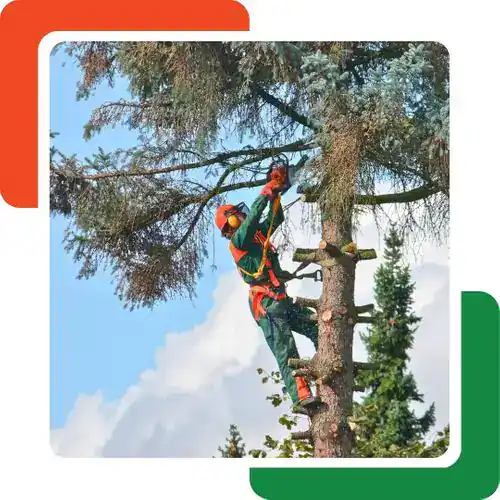
Seeing dead branches doesn’t mean the whole thing is toast. Trees shed branches like humans shed hair—except when a tree sheds, it can dent a Toyota. If the dead wood is isolated, pruning can eliminate the hazard.
However, if dead branches are scattered everywhere like a scene from a horror movie, that’s a sign of root damage or severe stress. Tree trimming is a fantastic preventive measure; it improves airflow and keeps branches from trying to “hug” your power lines. If your tree is still mostly healthy, don’t panic, but don’t ignore the dead wood either. We can prune the bad stuff and keep the good stuff growing for years to come.
A leaning tree gets a lot of side-eye from homeowners, and for good reason. But some trees just grow with a “funky” lean. If it’s been that way for decades, it’s likely stable. It’s not falling; it’s just leaning into its personality.
The problem is the sudden lean. If the ground is cracking or the soil is heaving at the base, that tree is trying to do a “trust fall” with your house. Spoiler: Your house will not catch it. A lean of more than 15% is generally a hazard. In Cherokee, GA, where the red clay can turn into soup during a storm, a leaning tree is a gamble you usually don’t want to take. Get it assessed before the next windstorm decides for you.
Deciding whether to remove a tree isn’t always black and white—it’s mostly green and brown. But it’s not a decision you should make based on a “gut feeling” or a YouTube tutorial. The right move depends on the tree’s health, its location, and its proximity to things you’d rather not have crushed.
If your tree is more than half dead or leaning like it’s had too much moonshine, removal is the way to go. If it just needs a trim, we can handle that too. When you’re ready for an honest assessment and a recommendation that doesn’t involve “scare tactics,” we’re here to help. No pressure, just straight talk about your trees.
Summary:
Share: