
Your local, professional, and reliable partner for all your tree service needs.
Contact Info
Your local, professional, and reliable partner for all your tree service needs.
Contact Info
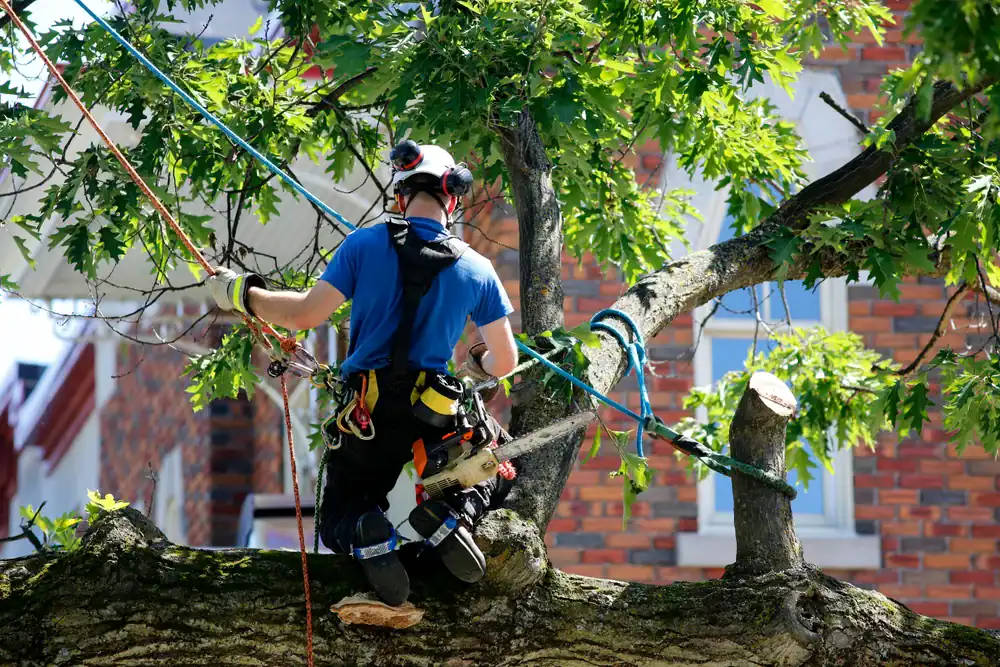
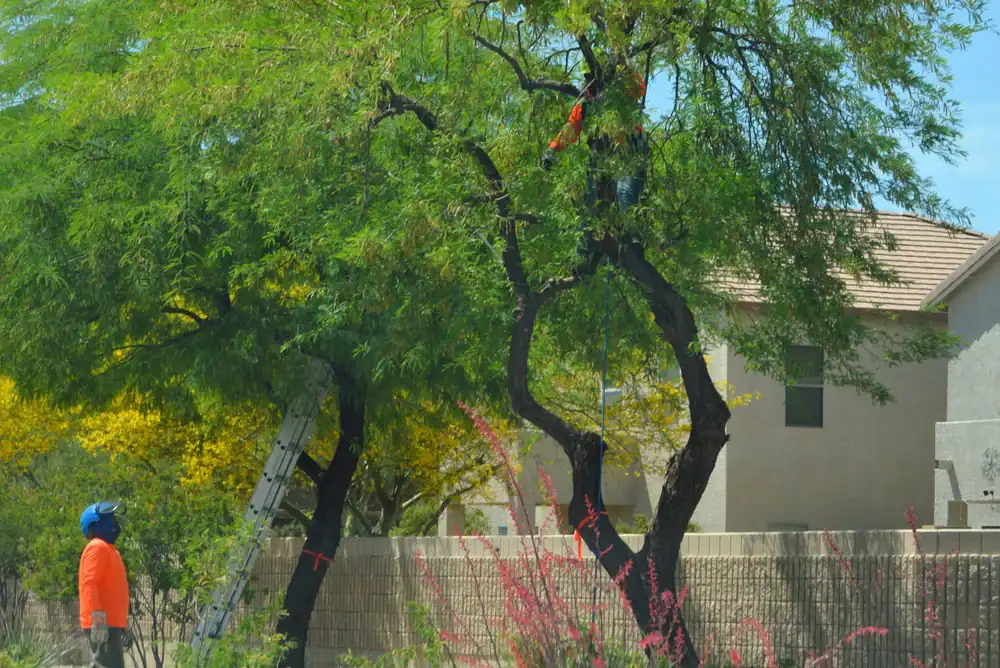
You’re not wondering if that leaning oak is going to come down on your roof during the next storm. You’re not staring at dead limbs hoping they hold through another Georgia thunderstorm season.
Your trees get assessed by someone who actually knows what they’re looking at. Hazards get handled before they become insurance claims. Storm damage gets cleared fast when it does happen, because you’ve got a licensed and insured tree service that picks up the phone.
Cherokee County properties see real value when trees are maintained right. Healthy canopies, clean sight lines, no overhanging threats. That’s what buyers notice, and that’s what keeps your home looking like the investment it is.
We work across Salacoa and the surrounding Cherokee County area with certified arborists who understand what North Georgia weather does to your landscape. We’ve handled storm cleanups, removed hazardous trees before they fell, and kept residential and commercial properties safe through years of unpredictable seasons.
You’re working with a tree care company that’s licensed, insured, and local. We’re not a crew passing through with a chainsaw and a pickup. We know the soil conditions here, the common pest issues, the way ice storms hit this area differently than they do 30 miles south.
When you call, you’re talking to people who’ve seen what happens when tree maintenance gets ignored in this county. And we’d rather help you avoid that.

You reach out, and we schedule an assessment. A certified arborist comes to your property, walks the lot, and identifies what needs attention. You get a clear explanation of what’s hazardous, what’s preventable, and what can wait.
If it’s an emergency, we respond fast. Storm damage doesn’t keep business hours, and neither do we. Our crews mobilize quickly to clear fallen trees, remove dangerous limbs, and make your property safe again.
For planned work, we show up on schedule with the right equipment and insurance coverage. The job gets done safely, debris gets cleared, and your property is left clean. If stumps need grinding or follow-up care is recommended, we walk you through that too.
You’re not guessing what happens next. The process is straightforward, and you know what you’re paying for before any work starts.

Ready to get started?
You get tree removal when hazardous or dead trees need to come down safely. You get trimming and pruning that improves tree health and reduces storm damage risk. You get stump grinding that clears the remnants so your yard is usable again.
Emergency tree services are available around the clock because storms don’t wait. If a tree falls on your home, your fence, or blocks your driveway, we respond. We also handle tree health assessments to catch disease, pest infestations, or structural issues before they become bigger problems.
Cherokee County homeowners deal with fast-growing trees, storm-prone seasons, and property values that depend on curb appeal. Our residential tree care keeps your landscape safe and attractive. For commercial properties in Salacoa, we manage larger-scale tree maintenance that protects buildings, parking areas, and liability exposure.
Every service comes with proper licensing and insurance. That matters when someone’s working 40 feet up with a chainsaw on your property.
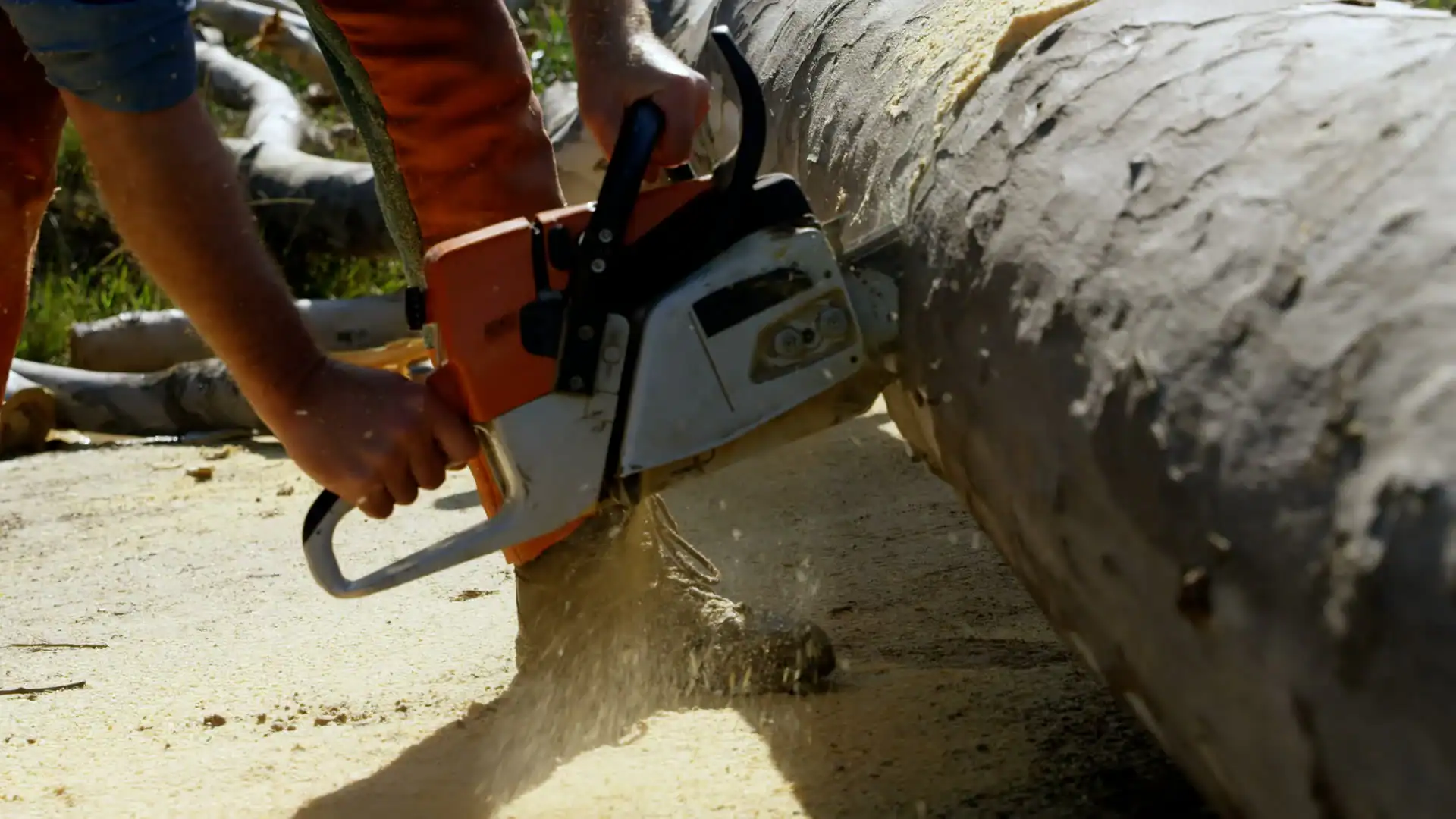
Tree removal costs depend on size, location, and complexity. A small tree in an open yard might run a few hundred dollars. A large oak leaning over your house with power lines nearby costs significantly more because it requires specialized equipment, more labor, and careful rigging to avoid damage.
Most tree services in Cherokee County charge based on the tree’s height, diameter, accessibility, and proximity to structures. Emergency removals after storms typically cost more due to the urgency and hazard level involved.
You’ll get a clearer number after an on-site assessment. We don’t quote blind because every tree situation is different, and you deserve an accurate estimate, not a guess that changes once we arrive.
Cherokee County doesn’t require permits for most residential tree removals on private property, but there are exceptions. If your property is part of a homeowners association, you may need HOA approval before removing certain trees, especially larger or more visible ones.
Some municipalities within Cherokee County have their own tree ordinances, and protected tree species or trees in specific zoning areas may require permits. If your tree sits on a property line or in a right-of-way, that can complicate things too.
Before removing a tree, it’s worth confirming whether any restrictions apply to your specific property. We know the local regulations and can help you navigate that process if needed.
Dead or dying trees are the most obvious hazards. If the tree has large sections of bare branches during growing season, peeling bark, or visible decay, it’s compromised. Leaning trees, especially those that have shifted recently, are also red flags.
Cracks in the trunk, hollow cavities, or fungal growth at the base indicate structural weakness. If large limbs are dead or hanging, they can fall without warning, especially during storms. Trees with root damage from construction, soil erosion, or disease lose stability and become dangerous over time.
A certified arborist can assess tree health and identify risks you might not notice from the ground. If you’re questioning whether a tree is safe, it’s worth getting a professional opinion before the next storm makes the decision for you.
Tree trimming typically refers to cutting back overgrown branches for appearance and clearance. You’re shaping the tree, removing limbs that block views or hang over structures, and maintaining a clean look. Trimming is often done on a regular schedule to keep trees manageable.
Tree pruning is more focused on tree health. You’re removing dead, diseased, or damaged branches to prevent decay from spreading. Pruning also improves airflow through the canopy and reduces weight on weak limbs, which lowers storm damage risk.
Both services overlap, but the intent is different. Trimming is mostly aesthetic and functional. Pruning is about keeping the tree healthy and structurally sound. We do both based on what your trees actually need, not just what looks good from the curb.
Homeowners insurance typically covers tree removal if the tree falls due to a covered peril like a storm, lightning, or wind and damages your home, garage, or other insured structure. If a tree just falls in your yard without hitting anything, most policies won’t cover removal.
Georgia law holds property owners responsible for cleanup when healthy trees fall due to natural events. If the tree was dead or visibly hazardous before it fell, insurance may deny the claim, arguing you should have removed it earlier.
When filing a claim, detailed documentation helps. Photos of the damage, estimates from a licensed tree service, and records of the storm event strengthen your case. Some policies cap tree removal coverage at $500 to $1,000 per tree, so understanding your policy limits before a storm hits is smart.
Most properties benefit from a tree health assessment every two to three years, especially if you have mature trees near structures. Cherokee County’s storm activity, soil conditions, and pest pressures make regular inspections worthwhile for catching problems early.
If you’ve had recent severe weather, new construction near tree roots, or you’ve noticed changes in a tree’s appearance, get it checked sooner. Trees don’t always show obvious signs of trouble until it’s advanced, and a certified arborist can spot structural issues, disease, or pest damage you’d miss.
Annual inspections make sense for high-value properties or if you have large trees overhanging your home. The cost of an inspection is minor compared to the cost of emergency removal or repairing storm damage that could have been prevented.
Other Services we provide in Salacoa