
Your local, professional, and reliable partner for all your tree service needs.
Contact Info
Your local, professional, and reliable partner for all your tree service needs.
Contact Info
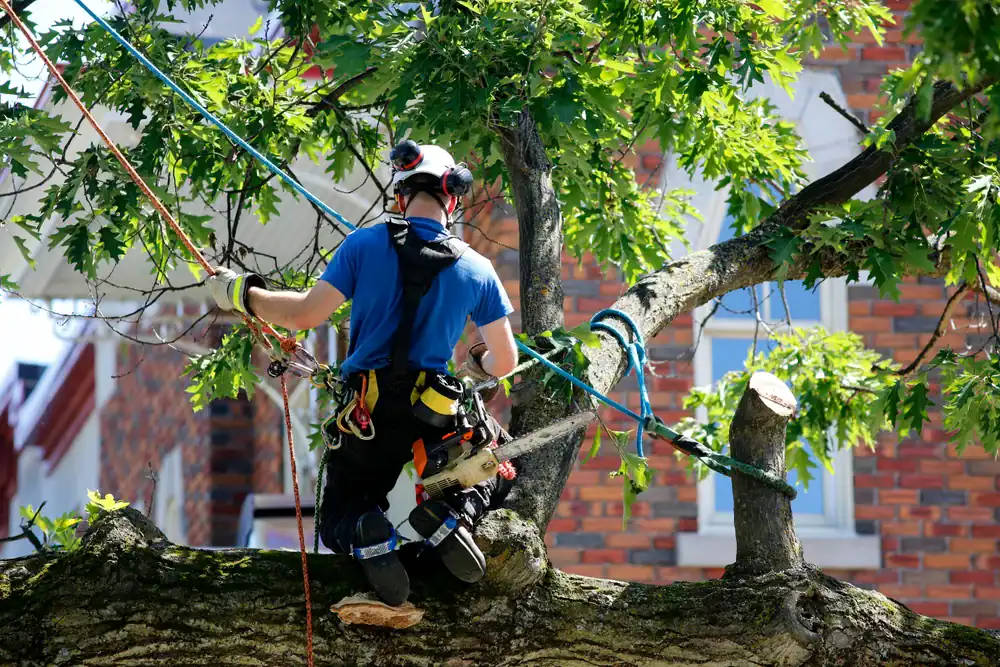
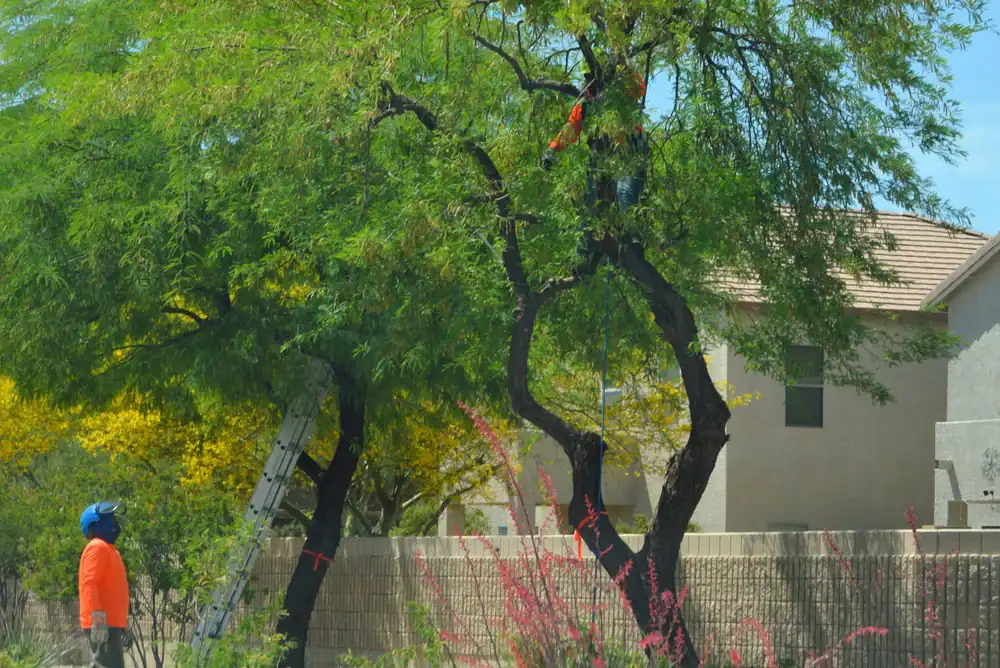
Your driveway gets blown off. Your lawn doesn’t look like a war zone. The dangerous tree is gone, and you didn’t have to chase down your insurance adjuster or wonder if the crew was actually insured.
That’s what separates a licensed and insured tree service from someone who just owns a truck and a saw. You’re not paying for the removal—you’re paying for the protection, the cleanup, the documentation your insurance needs, and the peace of mind that comes from working with ISA certified arborists who’ve been doing this in Cherokee County for years.
When a tree falls on your house at 2 a.m., you don’t have time to vet contractors. You need a tree care company that answers, shows up, and handles everything from crane deployment to direct billing with your carrier. That’s the difference between scrambling and being covered.
We’ve been working in Keithsburg, GA and throughout Cherokee County long enough to know what a summer storm does to water oaks and how fast pine beetles move through a property. We’re not storm chasers. We’re local arborists who live and work here.
Our team includes ISA certified arborists and licensed insurance adjusters—not just climbers. That means when you call, you’re talking to someone who understands tree health assessment, risk evaluation, and how to document everything your insurance company needs to process a claim without the runaround.
We’re also Google Guaranteed, BBB Accredited, and Georgia Chamber Certified. But what matters more is that we show up when we say we will, we do the work right, and we leave your property cleaner than we found it.

First, you call or submit a request. We schedule a free written estimate where one of our certified arborists walks your property, assesses the trees, and explains exactly what needs to happen and why. No pressure, no upselling—just a clear breakdown of the work and the cost.
If it’s an emergency, we skip the estimate and dispatch a crew. Typical response time is under five minutes after you approve the work. We bring the equipment needed—including cranes if the job calls for it—and we protect your property with turf-friendly gear and careful planning.
Once the tree is down, we don’t just haul it away. We grind the stump if needed, clean up every branch and piece of debris, and blow off your driveway. If insurance is involved, we document everything and can bill your carrier directly so you’re not fronting thousands of dollars while waiting on a claims check.
You get a safe property, a clean yard, and no surprises on the bill. That’s residential tree care done right.

Ready to get started?
Tree maintenance isn’t just cutting branches. It’s understanding how Cherokee County’s clay soil affects root stability, how our humid summers create fungal risks, and which trees are most likely to fail during ice storms. That’s the kind of insight you get from working with local arborists who’ve seen it all.
Our services cover everything from routine trimming and pruning to full tree removal, stump grinding, storm damage cleanup, and tree health assessments. If a tree is diseased, dying, or dangerous, we’ll tell you. If it just needs a trim, we’ll tell you that too.
For commercial tree services, we work with property managers, HOAs, and businesses that need reliable scheduling, proper insurance documentation, and crews that show up on time. We’re equipped to handle large-scale projects and tight timelines without cutting corners.
And if a storm rolls through Keithsburg, GA and takes down half your trees, we’re already mobilized. We don’t wait for you to call six companies. We’re the ones answering the phone at midnight and rolling equipment within the hour.
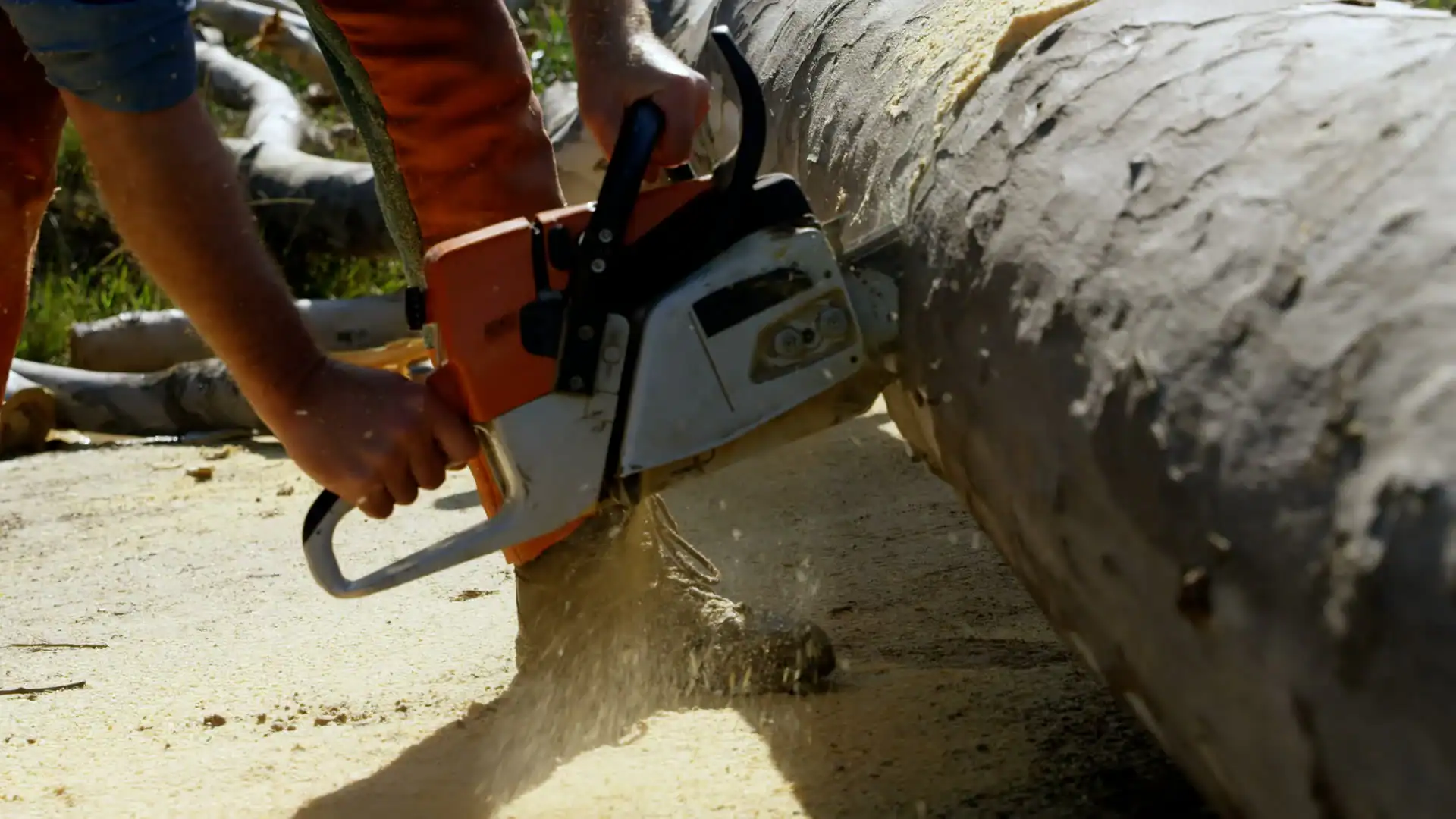
It depends on the size of the tree, its location, and how complicated the removal is. A small tree in an open yard might cost a few hundred dollars. A massive oak leaning over your house that requires a crane and a full day of work? That’s going to cost more—sometimes several thousand.
What drives up the cost is access, risk, and equipment. If we have to protect your fence, avoid power lines, and use a crane to lift sections over your roof, that takes time and specialized gear. If the tree is already down from a storm, the cost is usually lower because there’s less risk involved.
We give free written estimates so you know exactly what you’re paying for before we start. And if your tree fell due to a storm or other covered event, your homeowner’s insurance may cover most or all of the cost. We can work directly with your carrier to make that process easier.
Usually, yes—but only if the tree caused damage to a covered structure like your home, garage, or fence. If a tree just falls in your yard and doesn’t hit anything, most policies won’t cover the removal. That’s frustrating, but it’s standard across most carriers.
If the tree does damage your property, your insurance will typically cover removal up to a certain limit, often between $500 and $1,500 per tree. Some policies cover more. The key is documenting everything correctly, which is where having a licensed and insured tree service with insurance adjusters on staff makes a huge difference.
We handle the documentation, take the photos your adjuster needs, and can even bill your insurance company directly so you’re not paying out of pocket upfront. We’ve done this hundreds of times, so we know what carriers require and how to avoid the back-and-forth that delays your claim.
If a tree just fell on your house, we can usually have a crew dispatched in under five minutes once you approve the work. We don’t make you wait until Monday morning or put you on a callback list. Emergency tree removal is what we do, and we’re set up to respond fast.
We keep crews and equipment ready during storm season because we know that’s when you need help most. When the phones start ringing after a storm, we’re already mobilized. That means cranes, climbers, and cleanup crews are staged and ready to roll.
What slows things down is if we can’t access your property safely—downed power lines, flooding, or blocked roads. In those cases, we coordinate with utility companies and wait for the all-clear. But once it’s safe, we’re there. And we don’t leave until the tree is off your house and your property is secure.
It depends on the size of the tree and local ordinances in Cherokee County. Some areas require permits for removing large trees, especially if they’re considered heritage trees or located in protected zones. Other times, if the tree is dead, dangerous, or causing damage, you can remove it without a permit.
The rules vary, and they change depending on whether you’re in city limits or unincorporated areas. We stay up to date on local regulations and can tell you whether a permit is needed when we do your estimate. If one is required, we’ll walk you through the process.
Most emergency removals—like a tree that fell during a storm—don’t require permits because they’re considered immediate safety hazards. But if you’re planning to remove a healthy tree just because you don’t like it, that’s when permits usually come into play. We’ll make sure you’re covered either way.
Trimming usually refers to cutting back overgrown branches for appearance or clearance—like keeping trees away from your roof or power lines. Pruning is more strategic. It’s about removing specific branches to improve the tree’s health, structure, and growth pattern.
When you prune a tree correctly, you’re removing dead or diseased limbs, thinning out crowded areas to improve airflow, and shaping the canopy so the tree grows stronger. Done wrong, pruning can weaken a tree or even kill it. That’s why it matters who’s holding the saw.
Our ISA certified arborists know how to prune trees based on species, age, and health. We’re not just cutting branches to make it look neat—we’re making cuts that help the tree thrive and reduce the risk of failure during storms. If you just need a trim for clearance, we can do that too. But if your tree needs real care, pruning is what it needs.
Look for cracks in the trunk, large dead branches, leaning that wasn’t there before, or roots that are lifting out of the ground. If you see fungus growing on the trunk or large sections of missing bark, that’s a red flag. Trees don’t usually fall without warning—they give you signs.
Another thing to watch for is soil movement around the base. If the ground is heaving or you see gaps forming near the roots, that tree is losing stability. Heavy storms, saturated soil, and high winds can all push a compromised tree over the edge.
If you’re not sure, call for a tree health assessment. Our certified arborists can evaluate the tree’s structure, check for disease or decay, and tell you whether it’s safe to keep or needs to come down. We’re not going to tell you to remove a tree just to make a sale—but if it’s dangerous, we’ll be straight with you about the risk.
Other Services we provide in Keithsburg