
Your local, professional, and reliable partner for all your tree service needs.
Contact Info
Your local, professional, and reliable partner for all your tree service needs.
Contact Info
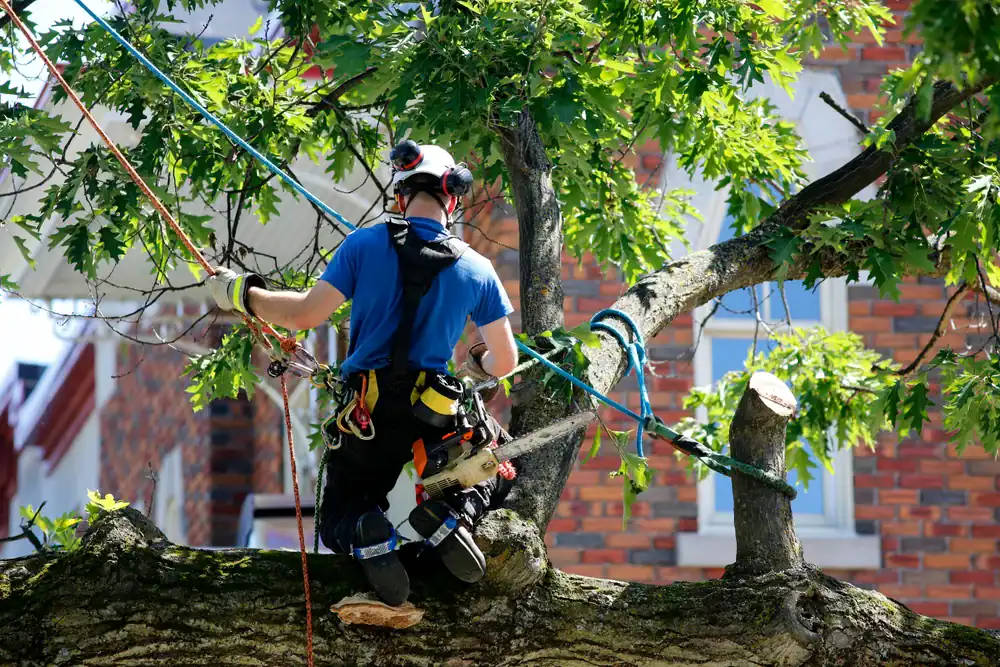
Your property looks better when your trees are healthy and well-maintained. That’s obvious. What’s less obvious is how much safer your home becomes when dead branches are removed before a storm hits, or how much money you save by catching disease early instead of paying for emergency removal later.
Professional tree services in Avery, GA mean you’re not guessing about which trees pose a risk. You’re not wondering if that leaning oak will make it through the next thunderstorm. You’re not dealing with half-done cleanup jobs that leave your yard looking worse than before.
You get a clear assessment of what needs attention now and what can wait. You get work done by people who carry the right insurance and know how to handle trees near power lines. You get your property back the same day, cleaned up and ready to use.
We operate as a licensed and insured tree service throughout Avery, GA and the surrounding Cherokee County area. We understand the clay-heavy soil here, how it affects root stability during heavy rain, and which tree species handle North Georgia weather better than others.
You’re working with people who know the local tree ordinances, who’ve handled storm damage across this area for years, and who show up with the equipment needed to do the job safely. We’re not a crew with a truck and a chainsaw. We’re certified arborists who understand tree biology, structural integrity, and how to protect your property while we work.
When you call, you’re talking to someone who’s seen your exact situation before and knows how to handle it.

First, we come out and assess your trees. This isn’t a quick glance from the driveway. We’re looking at tree health, structural issues, proximity to structures and power lines, and any immediate safety concerns. You get a clear explanation of what we find and why it matters.
Then we give you a detailed estimate. No surprises, no vague “we’ll figure it out when we get there” pricing. You know what the work costs and what’s included before we start.
When we schedule the work, we show up on time with the right equipment. We handle the cutting, removal, and cleanup. That means all of it—branches, logs, leaves, and debris. Your property should look better when we leave, not like a job site.
If you’re dealing with storm damage or an emergency situation, we’re available 24/7. Trees don’t fall on a schedule, and neither do we.

Ready to get started?
Tree maintenance in Avery, GA covers more than just cutting branches. You’re dealing with trees that face drought stress during Georgia summers, pest pressure that doesn’t stop in winter, and soil conditions that affect stability during storms.
Our tree health assessments catch problems before they become expensive emergencies. We’re looking for signs of disease, pest damage, structural weakness, and root issues that could make a tree unstable. In Cherokee County’s clay soil, root problems often show up after heavy rain when the ground becomes saturated and trees lose their anchor.
Tree trimming and pruning improve both appearance and safety. Dead branches get removed before they fall. Overgrown canopies get thinned to reduce wind resistance during storms. Trees near structures or power lines get properly cleared.
When removal is necessary, we handle it completely. That includes stump grinding if you want it, full debris removal, and cleanup that leaves your yard ready to use. We’re licensed and insured for property damage and worker injuries, which matters more than most people realize until something goes wrong.
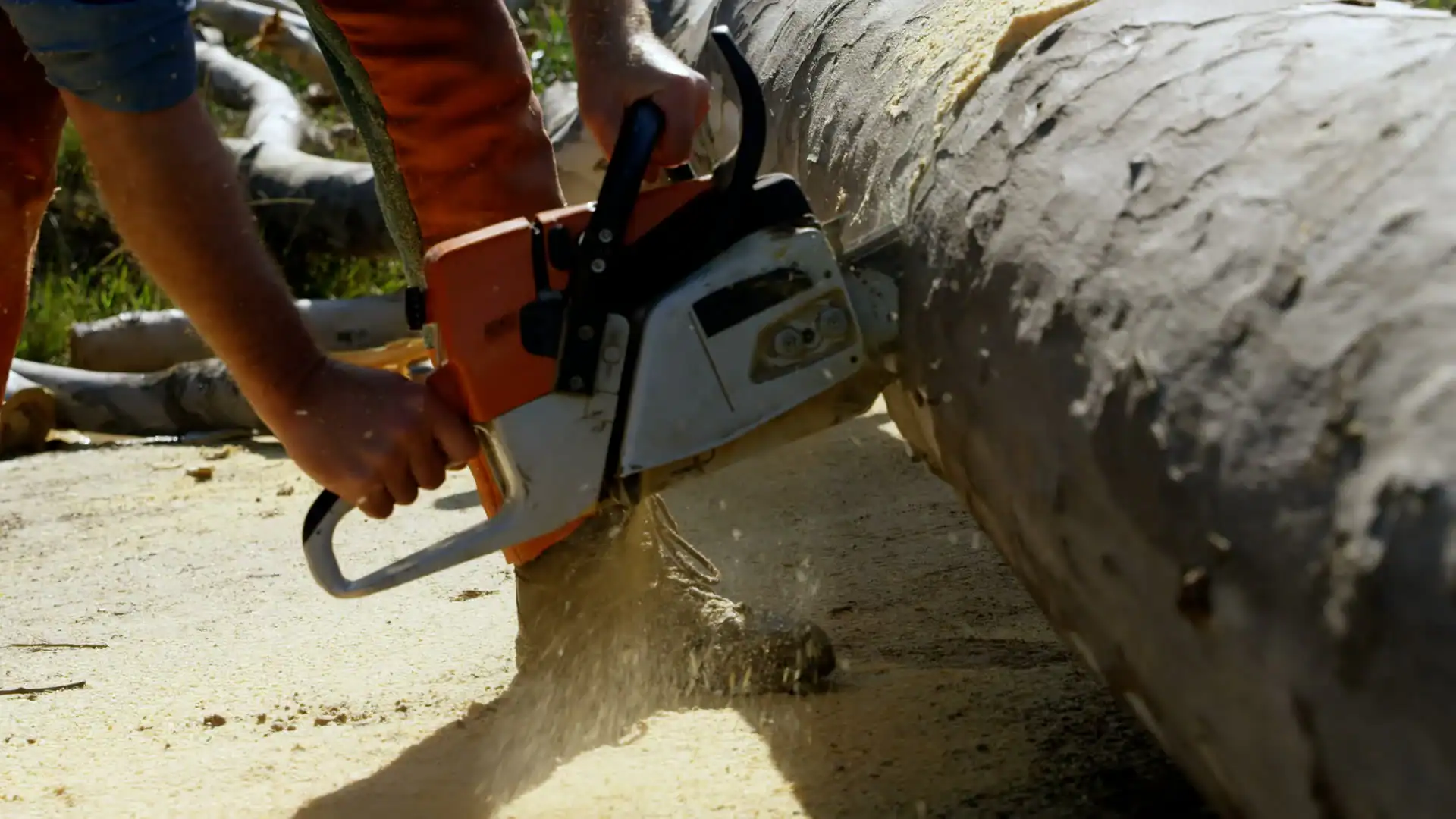
Tree removal costs depend on size, location, and complexity. A small tree in an open yard costs significantly less than a large oak leaning over your house or tangled in power lines.
Most residential tree removal in Avery, GA runs between a few hundred dollars for small trees and several thousand for large, complicated removals. Tree size is the biggest factor—a 30-foot tree is a different job than an 80-foot oak. Accessibility matters too. If we can’t get equipment close to the tree, the work takes longer and costs more.
Tree health affects pricing as well. Dead trees are often more dangerous to remove because they’re unpredictable. Diseased trees may need special handling to prevent spreading problems to other trees on your property. We give you an exact price after we see the tree in person, so you know what you’re paying before we start.
Cherokee County has specific tree ordinances that apply to Avery, GA, and whether you need a permit depends on tree size, location, and your property’s zoning. Most residential properties don’t require permits for routine tree maintenance, but there are exceptions.
If you’re in a subdivision with a homeowners association, check your HOA rules first. Many HOAs have their own tree removal policies that are stricter than county regulations. Some require approval before you remove any tree visible from the street.
For trees near property lines, you need to verify the tree is entirely on your property before removal. Georgia law is clear about property boundaries and tree ownership. If you’re unsure about permit requirements, we can help you figure out what applies to your specific situation. It’s easier to check first than deal with violations later.
If a tree falls on your property in Avery, GA, your insurance typically covers the damage—even if the tree came from your neighbor’s yard. Georgia law treats fallen trees as “Acts of God,” meaning the property owner where the tree lands is responsible for cleanup and repairs, not the property where the tree originated.
Your first step is making sure everyone is safe and calling us if the tree is near power lines or blocking access to your home. Don’t touch any tree that’s in contact with power lines. We have the training and equipment to work safely around live wires.
Document everything with photos before cleanup starts. Your insurance company will want to see the damage. We can help with insurance documentation if needed—we’ve worked with plenty of homeowners through the claims process. Emergency tree removal gets prioritized because we know you need access to your home and want the situation handled quickly. Storm damage doesn’t wait, and neither should your response.
Dangerous trees show warning signs if you know what to look for. Dead branches in the canopy, especially large ones, are immediate concerns. Cracks in the trunk or major limbs indicate structural problems. Leaning trees that weren’t always leaning have likely suffered root damage.
Look at the leaves during growing season. Discolored, undersized, or sparse foliage suggests the tree is stressed or diseased. Premature leaf drop in summer is another red flag. Fungal growth on the trunk or at the base often means internal decay you can’t see from the outside.
Root problems are harder to spot but just as dangerous. If you see exposed roots, soil heaving around the base, or the tree rocking in moderate wind, the root system may be compromised. In Avery’s clay soil, root stability becomes critical during heavy rain when the ground saturates. A professional tree health assessment catches these issues before they become emergencies. We can evaluate your trees and tell you exactly what needs attention and what’s fine to leave alone.
Most people use these terms interchangeably, but there’s a practical difference. Tree trimming typically refers to cutting back overgrown branches for appearance and basic maintenance. You’re shaping the tree and removing branches that have gotten too long or are interfering with structures, power lines, or sight lines.
Tree pruning is more strategic. It focuses on tree health and structure. We’re removing dead or diseased branches, thinning the canopy to improve air circulation and reduce storm damage risk, and cutting branches that cross or rub against each other. Proper pruning improves the tree’s long-term health and stability.
Both services matter for residential tree care in Avery, GA. Trimming keeps your property looking maintained and prevents branches from becoming problems. Pruning keeps your trees healthy and reduces the likelihood of expensive issues down the road. The best approach depends on your specific trees, their condition, and what you’re trying to accomplish. We assess each tree individually and recommend what makes sense for your situation and budget.
The best time depends on what you’re doing and why. For most pruning and trimming, late winter or early spring works well—after the coldest weather but before new growth starts. Trees are dormant, which reduces stress from cutting, and you can see the branch structure clearly without leaves in the way.
Dead tree removal can happen anytime. Dead trees don’t benefit from waiting, and they become more dangerous the longer they stand. If you’ve identified a dead or dying tree, get it removed before storm season hits. Emergency situations obviously don’t wait for ideal timing.
Some tree work is better done in specific seasons. Oak trees in Georgia should be pruned in winter to reduce the risk of oak wilt disease. Fruit trees benefit from pruning in late winter before flowering. Pest and disease problems may require treatment during active growing season when the tree can respond to intervention. We can recommend the best timing for your specific trees and situation. Sometimes the right answer is “now” because waiting creates bigger problems. Other times, scheduling work strategically saves you money and improves results.
Other Services we provide in Avery